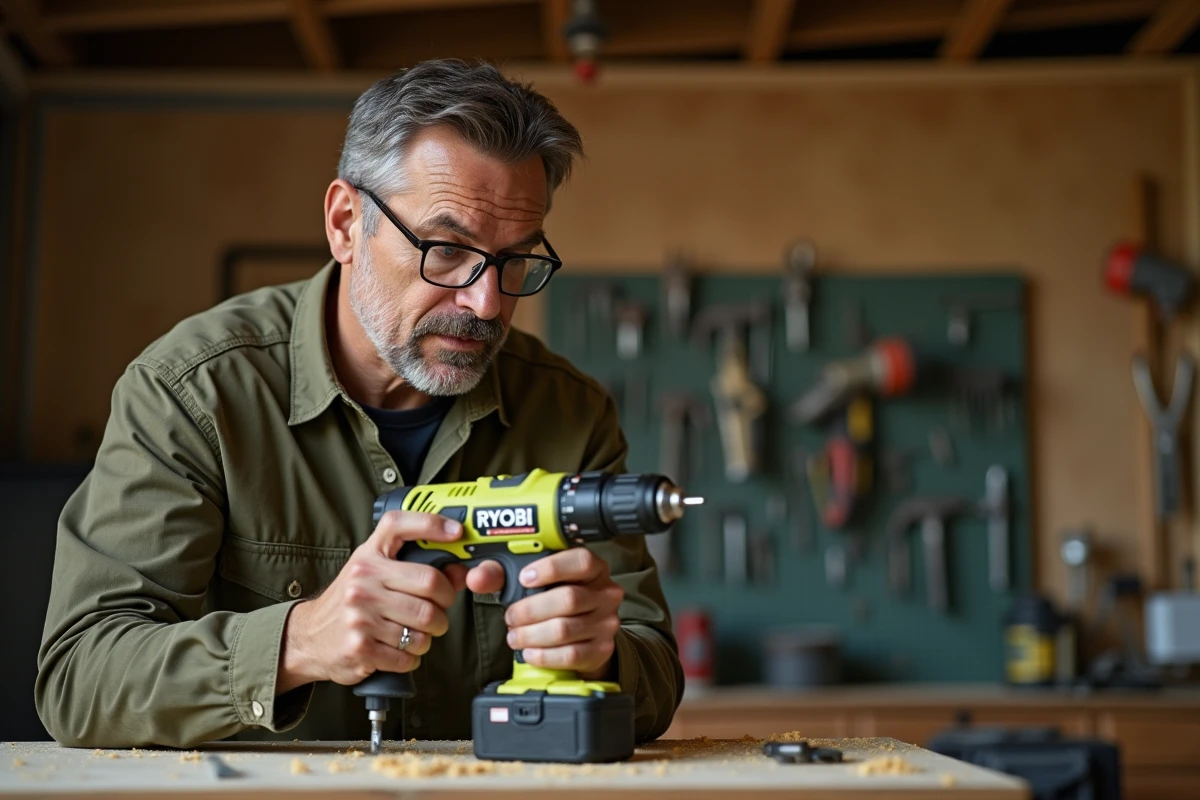
On a construction site or in a regular DIY workshop, the Ryobi brand often comes up in discussions. A subsidiary of the Japanese group Techtronic Industries, it offers a wide range at affordable prices. Between marketing promises and the reality of drilling into cellular concrete or trimming hedges at the end of the season, results vary depending on the models and uses.
Ryobi One+ Brushless Motors: What the First Season Doesn’t Show
When you take a Ryobi One+ tool out of the box, the first impression is often good. The grip is light, the torque sufficient for common tasks, and the interchangeable battery system simplifies logistics. On a brushless hedge trimmer like the Ry18htx60a-0, initial feedback from distributors like Leroy Merlin confirms adequate power and a comfortable cutting experience for thuja or laurel hedges.
The problem reveals itself after one or two seasons of regular use. Several users report batteries losing autonomy faster than expected, and blades getting stuck on slightly denser branches. This pattern, recurring in detailed reviews by model, does not emerge from the overall ratings of the brand. A comprehensive overview of reviews and reliability of Ryobi tools allows for cross-referencing feedback by product category.
The brushless motor itself holds up well over time. It is rather the battery management electronics and peripheral mechanical components (chuck, locking system, springs) that concentrate the reported failures.
One+ Battery and Compatibility: A Real Asset, with Practical Limits
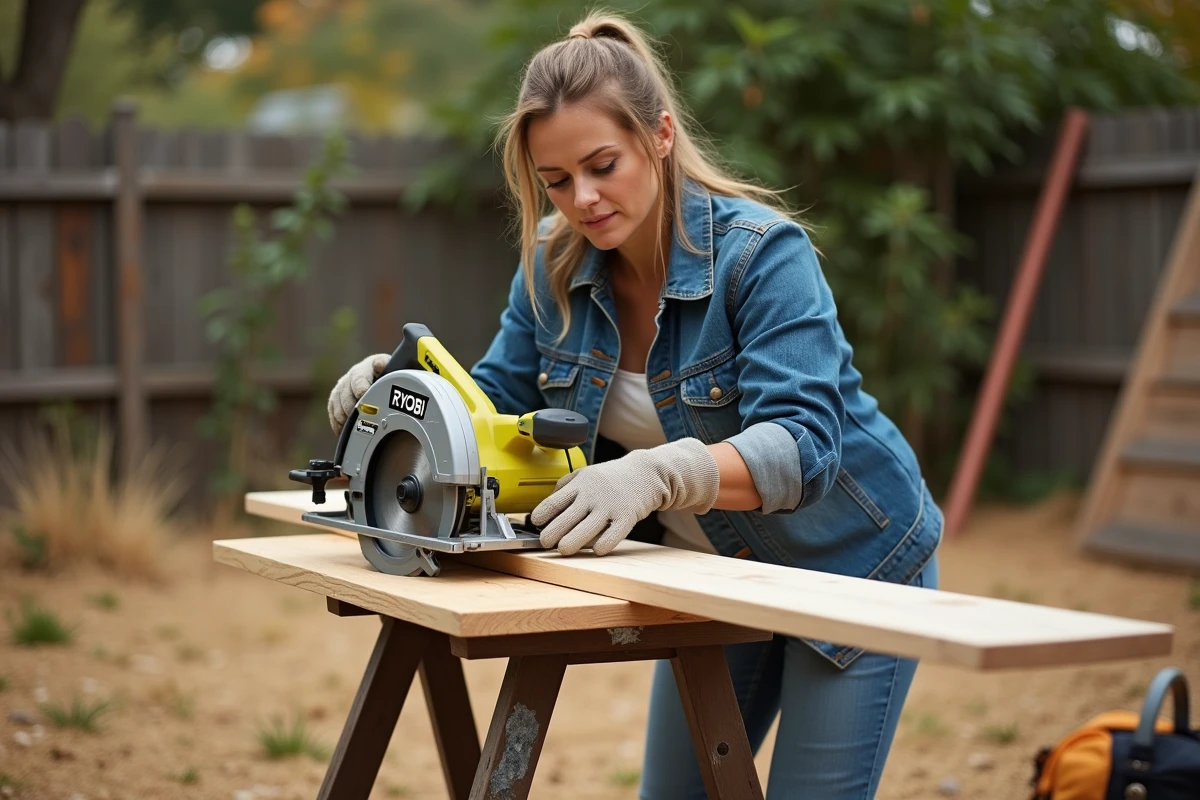
Ryobi’s main argument is its One+ ecosystem: a single 18 V battery to power over a hundred tools, from drills to leaf blowers. On paper, this represents a net financial gain. You buy the tool bare, reuse your existing batteries, and keep the budget under control.
In practice, compatibility works, but performance varies depending on the tool-battery torque pairing. A low-capacity battery on a power-hungry tool (angle grinder, circular saw) yields disappointing results. Users who invest in high-capacity batteries achieve significantly better results on garden tools or percussion drills.
What to Check Before Buying a Bare Tool
- The capacity of your existing batteries: a demanding tool with an entry-level battery provides very short autonomy and reduced torque
- The type of motor (brushed or brushless): brushless models consume less and heat less, which preserves battery life over time
- The availability of spare parts for the specific model, as some forums like Que Choisir report difficulties in obtaining replacement parts for older models
Ryobi Customer Reviews: How to Read Between the Ratings
On online review platforms, Ryobi generally receives high ratings, with a majority of positive evaluations. The distribution shows a small but noticeable percentage of 1-star reviews. This rating profile is typical of consumer brands at accessible prices: many satisfied buyers for occasional use, and a disappointed minority after more intensive use.
The most useful reviews are not the extreme ratings. They are those that describe specific usage over several months. On Reddit, in the BeginnerWoodWorking community, the consensus often returns to the same conclusion: Ryobi is perfectly suitable for home DIY and one-off projects, but shows its limits when used daily or on hard materials.
Ryobi vs. Makita or DeWalt: A Comparison That Doesn’t Always Make Sense
Comparing Ryobi to Makita or DeWalt is like comparing tools designed for different uses. Ryobi targets the DIYer who wants versatile tools without investing the budget of a professional. Makita and DeWalt target tradespeople who use their tools for several hours a day, with much higher reliability and power constraints. The price reflects this positioning gap.
For someone assembling furniture, drilling a few holes in drywall, or maintaining a medium-sized garden, Ryobi gets the job done. For a professional carpenter or landscaper, field feedback converges: you need to step up to a higher range.
Ryobi Warranty in Europe: A Often Overlooked Point
Since 2023, Ryobi offers a 3-year warranty extension on a large part of its power and garden tools. The condition: register the product online within 30 days of purchase. Without this registration, the warranty remains at the standard legal duration.
This is a detail that many buyers discover too late. The information is included in the manuals and on the product sheets of some retailers, but it often goes unnoticed at the time of purchase. Remembering to keep the proof of purchase and to register immediately avoids complications in case of a breakdown.
- Register the product on the Ryobi website within 30 days to benefit from the extended warranty
- Keep the receipt or invoice in digital format
- Check the availability of customer service for the model in question before purchase, as response times vary depending on the periods
The quality of after-sales service remains a point of friction for some users. Response times and the availability of parts depend on the model and the retailer. On this point, going through a physical store with a dedicated customer service counter simplifies the process compared to a pure online purchase.
In the end, Ryobi occupies a coherent niche: accessible, versatile tools thanks to the One+ ecosystem, and sufficient for regular domestic use. Long-term reliability depends greatly on the chosen model and the match between the battery and the tool. Checking feedback by specific product, rather than relying on an overall brand rating, remains the best way to avoid unpleasant surprises.