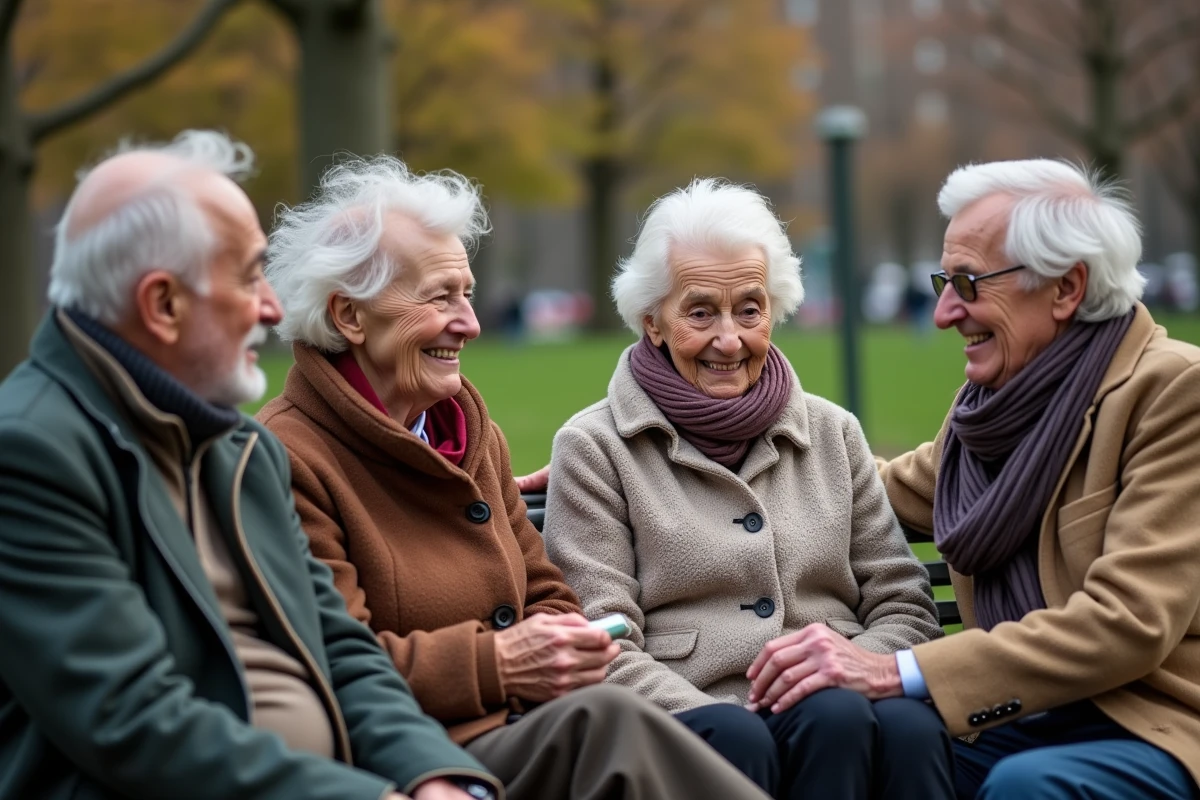
Reaching the age of 90 is no longer quite an exception, but the stubborn reality remains: only 8% of women and barely 3% of men born in 1930 celebrated this milestone in 2020, according to Insee. Despite the spectacular advances in medicine and quality of life, crossing this threshold remains rare in France, even if the trend is accelerating. Life expectancy is stretching, the population is greying, but the 90-year mark remains a peak reserved for a tiny minority. In this transforming landscape, women continue to occupy the top ranks, while demographic projections are already outlining a society where nonagenarians will be far more numerous than yesterday.
How many French people live to 90 today?
The presence of nonagenarians in French society is becoming clearly established, even if their share remains relatively modest compared to the total population. As of early 2023, according to Insee, 1.4 million people aged 90 or older were living in France. Compared to the more than 67 million French people, this figure may seem modest, but it signals a major transformation: very old ages are shifting from being an exception to a structuring social phenomenon.
To better understand who these nonagenarians are, let’s take a look at the major trends:
- About 80% of them are women, confirming the clear female dominance in the realm of longevity.
- This gender imbalance continues to widen, as demographic reports relentlessly illustrate.
- Men remain in the minority: their probability of reaching the age of 90 is significantly lower, reflecting a persistent early mortality at these ages.
Some figures help to grasp the scale of the phenomenon:
| Year | Number of nonagenarians | Share of the population (%) |
|---|---|---|
| 2013 | 1,100,000 | 1.7 |
| 2023 | 1,400,000 | 2.1 |
The percentage of the population reaching 90 years in France is slowly increasing, driven by better living conditions and widespread access to healthcare. Behind figures that change slowly, society is undergoing profound transformation. Extreme old age is ceasing to be a statistical oddity; it is already sketching what France will look like in the coming decades.
Life expectancy and longevity: key figures to understand aging
France stands as a European reference in terms of life expectancy. According to 2023 data from Insee, women live on average to 85.7 years, compared to 80 years for men. A five-year difference, not to be overlooked: this gap weighs on the entire national demographic composition and shapes society year after year.
Compared to its European neighbors, France is widening the gap. Life expectancy on the continent hovers around 82 years. Here, the healthcare system, prevention, and material quality of life play a decisive role. Medical advances are accumulating, but the structure of the population is fundamentally changing.
To position France on a continental scale, three benchmarks deserve to be highlighted:
- Life expectancy for women: 85.7 years
- Life expectancy for men: 80 years
- European average: 82 years
On the age pyramid, the baby boomer generation is now crossing into old age in significant numbers, gradually reversing the ratio between seniors and the working population. The gap in life expectancy between men and women is narrowing slowly but remains pronounced. While premature mortality continues to burden male trajectories, women dominate significantly in the oldest age groups, crystallizing a distinctly French difference. This evolution forces the adaptation of public policies, from health to intergenerational solidarity.
Why the share of nonagenarians is evolving and what it reveals about French society
The rapid growth in the number of nonagenarians reveals a quiet revolution in our demographics. Forty years ago, France had fewer than 200,000 people aged 90 and older. Today, we far exceed one million: a telling shift reflecting the accelerated aging of society.
Several factors combine to explain this leap: a clear decline in mortality after age 70, advances in medicine, but also an amplification effect linked to the transition of baby boomers into very advanced ages. The result: the famous age pyramid, which was long narrow at its peak, is rounding out and thickening year by year. Projections already foresee a continuation of this rise: in a few decades, the very face of France will be reshaped.
To better grasp the scale of the phenomenon, two benchmarks suffice:
- In 1982, fewer than 200,000 French people had blown out their 90 candles.
- Forty years later, the million mark is shattered, according to Insee.
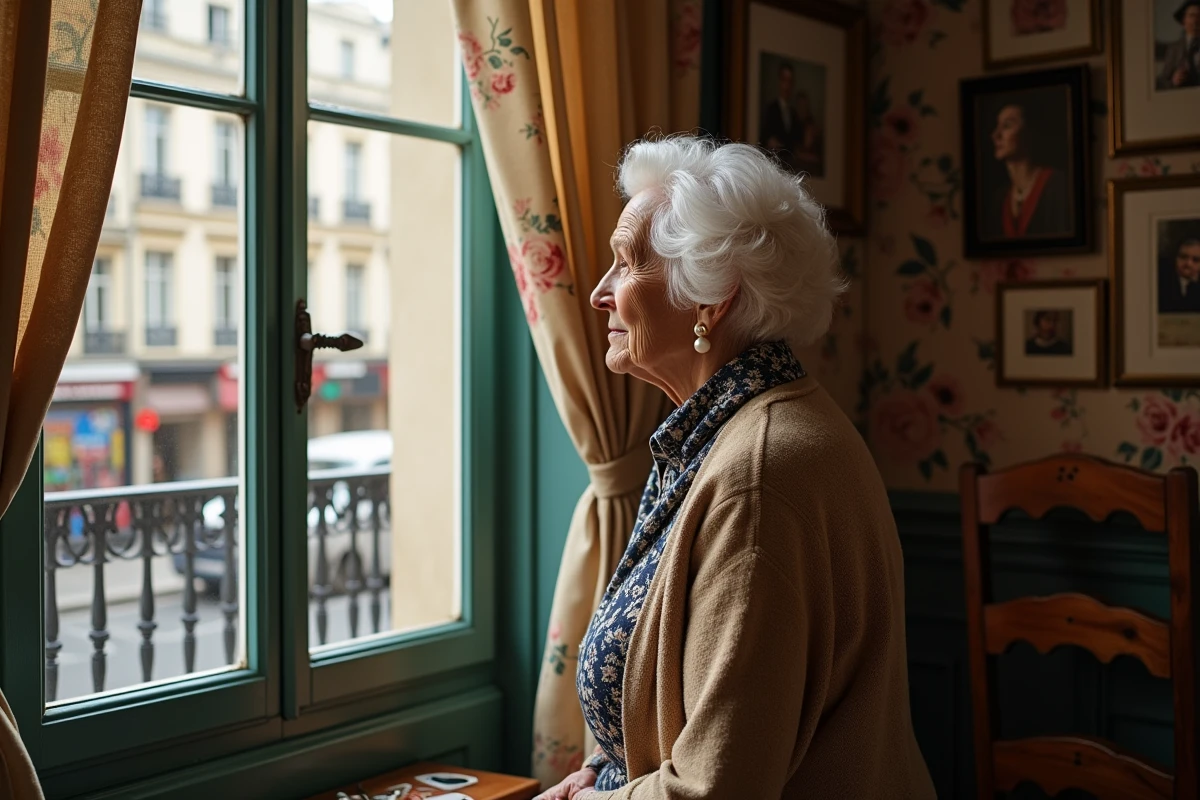
This aging places the country before significant challenges: managing loss of autonomy, ensuring access to healthcare, reinventing the role of the elderly in the social fabric. But beyond the statistics, it is countless life paths that are lengthening, families reorganizing their solidarity, and a new relationship with time that is establishing itself. Nonagenarians, once nearly invisible, now assert themselves as an essential component of the national landscape. Already, the France of the future is taking shape through these faces marked by advanced age: clear eyes, wrinkles as heritage, and a presence that demands collective reinvention.